
Can You Get a Massage While Pregnant? Understanding the Benefits and Safety

Pregnancy is an exciting time but comes with its share of physical discomforts. From neck and shoulder pain to swollen feet and backaches, many women experience physical discomforts that can make day-to-day tasks challenging. One solution that many expectant mothers turn to for relief is massage therapy. But the question remains: Can you get a massage while pregnant?
The short answer is yes, pregnant women can benefit from prenatal massage, but there are important considerations to keep in mind. This blog will explore the various aspects of massage during pregnancy, including its benefits, potential risks, and the safest ways to enjoy a pregnancy massage.
What is Prenatal Massage?
Prenatal massage is a type of massage therapy specifically designed to address the unique needs of pregnant women. It focuses on alleviating common pregnancy-related discomforts such as muscle pain, swelling, and stress. A licensed massage therapist trained in prenatal care will use specialized techniques to ensure the massage is safe for both the mother and the baby.
Prenatal massage can involve various techniques, including Swedish massage, foot massage, and light deep-tissue massage. It may be performed using prenatal massage pillows to help the pregnant body stay comfortable and safe during the session.
Benefits of Prenatal Massage
Prenatal massage can provide numerous benefits for both the pregnant person and their baby, including:
1. Pain Relief
Pregnancy places significant stress on the body, particularly on the neck, shoulders, back, and hips. A professional massage therapist can target discomfort areas to relieve common ailments like back pain, neck pain, and leg cramps. Gentle pressure techniques can also help reduce lower back and pelvis muscle pain, which is especially common in the third trimester as the body adjusts to the growing baby.
2. Reduced Swelling
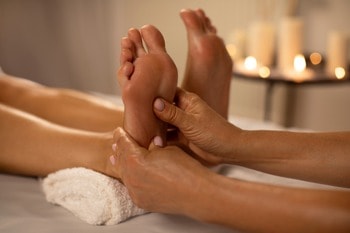 Many pregnant women experience swelling in their feet, ankles, and hands due to fluid retention. Massage therapy can help promote blood flow and reduce the accumulation of excess fluids, alleviating the discomfort caused by swelling. A foot massage, in particular, can help stimulate circulation and reduce puffiness.
3. Stress Relief
Pregnancy often brings about heightened stress hormones, which can affect a woman’s emotional and physical well-being. Prenatal massage can help reduce these stress levels by promoting relaxation, easing muscle tension, and supporting mental clarity. Massage therapy can help a pregnant person feel more at ease, thus improving overall well-being and sleep quality.
4. Improved Circulation
As the pregnancy progresses, the body’s circulatory system is put to the test. Massage during pregnancy can help enhance blood circulation, which is important for supporting both the mother’s health and the baby’s development. Improved blood flow ensures that the body is effectively delivering oxygen and nutrients to the baby while also helping remove toxins from the bloodstream.
5. **Reduction of Leg Cramps and Tension
Many pregnant women experience leg cramps, particularly at night. Prenatal massage can target the calf muscles to help reduce tension and prevent cramps. It can also help with muscle tension in the thighs and lower back, improving overall flexibility.
6. Reduction of Anxiety and Depression
Expectant mothers can experience anxiety and depression, both of which can affect the pregnancy. Massage therapy can help to reduce feelings of anxiety and improve mood by promoting the release of endorphins, which are natural mood enhancers. This is especially beneficial for pregnant women experiencing high levels of stress.
7. Improved Sleep
Many women experience trouble sleeping during pregnancy due to discomfort, hormonal changes, and anxiety. Prenatal massage can help relax the body and calm the nervous system, potentially improving the quality of sleep. The relaxation that follows a massage can also make it easier to fall asleep and stay asleep through the night.
Can You Get a Massage During Any Stage of Pregnancy?
Yes, massage therapy is generally safe during all stages of pregnancy. However, certain adjustments need to be made to ensure the safety and comfort of both the pregnant person and the baby.
First Trimester
During the first trimester, some women experience nausea, fatigue, and extreme sensitivity. If you’re feeling uncomfortable, it’s a good idea to discuss your concerns with your massage therapist before beginning the session. Massage at this stage should be gentle, as certain pressure points and techniques are best avoided during early pregnancy. Deep tissue massage is generally not recommended during this period unless advised by a medical professional.
Second Trimester
The second trimester is often considered the most comfortable stage of pregnancy. At this point, women are less likely to experience extreme fatigue or morning sickness associated with the first trimester, making it a great time for a prenatal massage. Women in this stage typically find that massage therapy helps alleviate neck and shoulder pain and promotes relaxation.
Third Trimester
During the third trimester, many women experience significant discomfort due to the growing pregnant belly, back pain, and swelling in the legs and feet. This is also the stage when prenatal massage can be most beneficial. Massage therapy can help alleviate some of the pain associated with carrying the extra weight of the baby. However, care must be taken to ensure the massage therapist uses safe techniques for both the mother and the baby.
Are There Any Risks or Precautions When Getting a Massage While Pregnant?
Although massage therapy can provide many benefits, certain risks and precautions should be considered:
1. High-Risk Pregnancy
If you are experiencing a high-risk pregnancy due to conditions like gestational diabetes, high blood pressure, or preterm labor, you should consult with your doctor before getting a prenatal massage. In some cases, pregnant women with these conditions may need to avoid certain massage techniques or should only receive massage therapy under the supervision of a licensed massage therapist with experience in high-risk pregnancies.
2. Avoiding Deep Pressure
It is essential to avoid excessive deep tissue massage or deep pressure on certain areas of the body during pregnancy, especially on the abdomen or lower back. Applying too much pressure in these areas can stimulate muscle contractions or trigger unwanted reactions in the pregnant body. Your massage therapist should be trained to avoid these sensitive areas and use a gentle, relaxing technique.
3. Avoid Certain Pressure Points
There are specific acupressure points that are considered unsafe during pregnancy, as stimulating them may induce contractions or early labor. Massage therapists specializing in prenatal massage are trained to avoid these pressure points, so it’s important to ensure you work with a qualified professional.
4. Increased Blood Flow
While massage therapy can increase blood flow to the extremities, it’s important to be aware that in some cases, increased circulation may not be recommended for certain medical conditions such as blood clot disorders or deep vein thrombosis. Always check with your doctor if you have any underlying health conditions that could be affected by increased blood circulation during a pregnancy massage.
Preparing for Your Prenatal Massage
To ensure a safe and comfortable experience during your pregnancy massage, there are a few things you can do to prepare:
1. Choose a Qualified Massage Therapist
 It is essential to choose a massage therapist specifically trained in prenatal massage. A licensed massage therapist with experience in pregnancy massage will be familiar with the proper techniques and know how to accommodate your changing body and specific needs. They will also understand which pressure points to avoid and how to provide a safe and effective experience.
2. Inform Your Therapist About Your Pregnancy
Before the massage, inform your massage therapist about your pregnancy stage and any complications or concerns you may have. This information will help them adjust the massage to your comfort level and ensure they avoid any areas that could pose a risk.
3. Wear Comfortable Clothing
For added comfort, wear loose and comfortable clothing. Massage tables for prenatal massage are often specially designed with cushions or cutouts for pregnant bellies, but you may also need to adjust your position during the session. Massage props such as pillows or bolsters may be used to support your body in a comfortable position.
Conclusion
So, can you get a massage while pregnant? Yes, prenatal massage is generally safe and can be incredibly beneficial for pregnant women, offering relief from muscle pain, stress, swelling, and other pregnancy-related discomforts. It can also promote relaxation, improve blood flow, and alleviate neck and shoulder pain. However, it’s essential to work with a licensed massage therapist who is trained in pregnancy massage and to consult with your doctor if you have any medical conditions or concerns.
Whether you’re in your first, second, or third trimester, massage during pregnancy can be a fantastic way to care for your pregnant body and promote your overall well-being. By taking the necessary precautions and choosing a trained professional, you can enjoy the many benefits of pregnancy and labor massage safely.
References
https://www.webmd.com/baby/pregnancy-and-massage
https://health.clevelandclinic.org/prenatal-massage
https://americanpregnancy.org/healthy-pregnancy/is-it-safe/prenatal-massage/
